
Raw materials for animal feed production play a crucial role in ensuring the health and well-being of animals across the globe. With the increasing demand for high-quality animal products, it is imperative to understand the significance of selecting the right ingredients for animal feed.
This blog post explores the diverse range of raw materials used in animal feed production and their impact on animal nutrition and overall productivity. Join us as we delve into the fascinating world of raw materials for animal feed production and discover the key factors that contribute to producing optimal feed for our beloved animals.
Common raw materials used in animal feed production
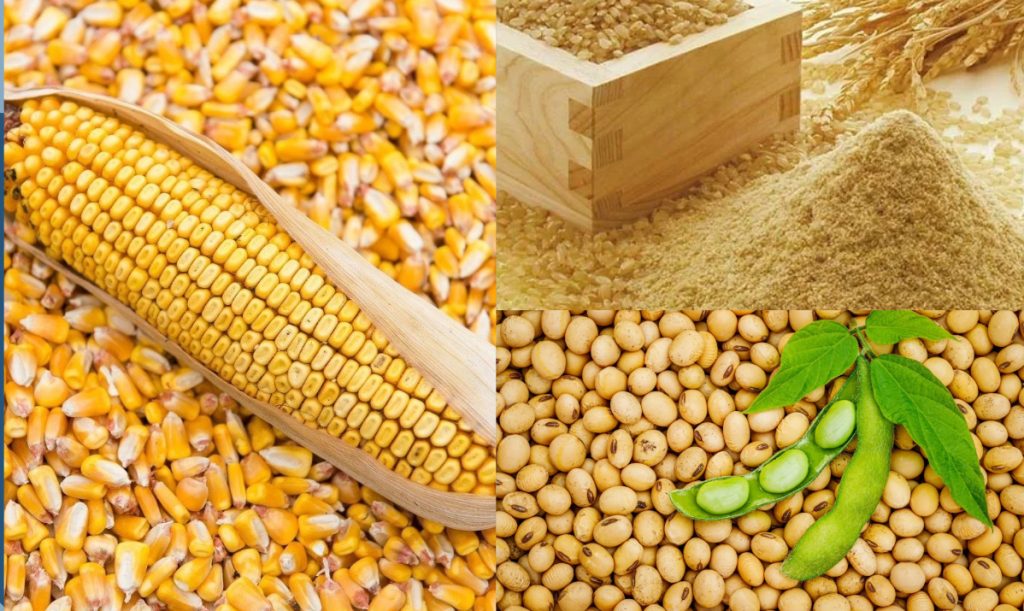
Corn, soybeans, wheat, barley, oats, and fishmeal are common raw materials used in animal feed production. Rice bran, sunflower meal, and canola meal are also widely utilized as raw materials in the production of animal feed.
These ingredients provide essential nutrients such as proteins, carbohydrates, and fats, which are vital for animal growth and development. Additionally, vitamin and mineral supplements, such as calcium, phosphorus, and vitamin D, are often incorporated into the feed to meet the specific nutritional requirements of different animal species.
Proper formulation and balance of these raw materials ensure optimal health and performance of livestock, poultry, and aquaculture. Overall, the selection and quality of raw materials play a crucial role in producing nutritious and sustainable animal feed.
Raw material list
- Barley
- Coconut meal
- Cotton seed meal
- Groundnut meal
- Corn (Maize)
- Mustard oil cake
- Corn DDGS
- Rice (Broken)
- Rice Bran
- Rice Polish
- Til oil cake (Sesame)
- Soyabean (Full fat)
- Soyabean meal
- Soyabean oil
- Sunflower meal
- Poultry Meal
- Tritticale wheat
- Wheat Middlings
- Wheat Bran
- Wheat
- Meat meal (Aus) 50
- Fish Meal 60
- Fish Meal 62
- DORB (De Oiled Rice Bran)
- CGM (Corn Gluten Meal)
- CGF (Corn gluten feed)
- Maize bran
- Maize germ meal, oil < 5%
- Palm kernel meal, oil < 5%
- Sunflower meal, oil < 5%, dehulled
- Sweet potato, dried
- Molasses, sugarcane
- Mustard bran
- Soybean hulls
- Sunflower hulls
- Wheat straw
- Fish meal, protein 65%
- Fish meal, protein 70%
- Shrimp meal
- Black soldier fly larvae, fat < 20%, dried
- Black soldier fly larvae, fat > 20%, dried
- Palm oil
- Rapeseed oil
- Sunflower oil
- Fish Oil salmon
- Cod liver oil
- Copra/Coconut oil
- Liver Tonic POWDER
- L-Threonine
- Limestone (CaCO3)
- D.C.P. (18% – P)
- M.C.P. (21% – P)
- Lysine 99%
- Choline 60%
- DL-Methionine 99%
- Table salt
- Vitamin E & Selineum (Liquid)
- Broiler Premix (RENA BROILER)
- Layer Premix (RENA LAYER)
- Cattle premix (CALPHOSTONIC POW)
- Vitamin ADE Lequid
- Vitamin E Powder
- Vitamin D Powder
- Vitamin D Liquid
- Valine 99%
- Add One
- Biotin Supplement
- Vitamin b1b2b6 Supplement
- Arginine 99%
- Maduramicin Ammonium (Coccidiostat)
- Monensin (Coccidiostat)
- Narasin (Coccidiostat)
- Salinomicin (Coccidiostat)
- Lasalocid (Coccidiostat)
- Robenidine (Coccidiostat)
- Halofuginone (Coccidiostat)
- Diclazuril (Coccidiostat)
- Decoquinate (Coccidiostat)
- Nicarbazin (Coccidiostat)
- Runeon (Bile acids)
- Multy Antioxidant-Composition
- Ethoxyquin (Antioxidants)
- Dibutylhydroxytoluene (Antioxidants)
- Butylhydroxyanisol (Antioxidants)
- Mold Inhibitors Multy Composition
- Propionic Acid (Mold Inhibitor)
- Sodium Propionate (Mold Inhibitor)
- Calcium Propionate (Mold Inhibitor)
- Emulsifiers
- Thickeners Multy Composition
- Sodium Alginate (Thickeners)
- Sodium Caseinate (Thickeners)
- Sodium Carboxylmethyl Cellulose (Thickeners)
- Propylene Glycol (Thickeners)
- Sodium Polyacrylate (Thickeners)
- Formic Acid (Adjusters)
- Colestat
- Sodium Bicarbonet
- FRA Butyrin
- Toxin Binder
- Multi-Enzyme
- Phytase
- Antibiotics
- Saccharin Sodium (Sweeteners)
- Flavours
Other commonly used raw materials for animal feed production include sorghum, alfalfa, and cottonseed meal. These ingredients contribute to the overall nutritional composition of the feed, supporting the well-being of the animals. Additionally, by-products from the food and beverage industry, such as brewers’ grains and distillers’ dried grains, are often incorporated into animal feed as a cost-effective and sustainable option.
The use of high-quality raw materials
The use of high-quality raw materials ensures that animals receive the necessary nutrients for optimal growth, reproduction, and overall health. Proper sourcing and processing of these raw materials are essential to meet the stringent quality and safety standards in animal feed production.
The selection and quality of raw materials are crucial for nutritious and sustainable animal feed. Sorghum, alfalfa, and cottonseed meal are commonly used ingredients that contribute to the feed’s nutritional composition.
By-products
By-products like brewers’ grains and distillers’ dried grains from the food and beverage industry are also incorporated for cost-effectiveness and sustainability. Using high-quality raw materials ensures animals receive the necessary nutrients for growth, reproduction, and overall health. Proper sourcing and processing are vital to meet quality and safety standards in animal feed production.
Conclusion
Proper sourcing and processing of raw materials is vital for meeting quality and safety standards in animal feed production. The selection and quality of these materials play a crucial role in creating nutritious and sustainable feed.
Common ingredients such as sorghum, alfalfa, and cottonseed meal contribute to the feed’s nutritional composition. By-products like brewers’ grains and distillers’ dried grains from the food and beverage industry are also utilized to enhance cost-effectiveness and sustainability.
Ensuring the use of high-quality raw materials guarantees that animals receive the necessary nutrients for their growth, reproduction, and overall health.
Hello There. I found your weblog the usage of msn. That is an extremely neatly written article. I’ll make sure to bookmark it and return to read extra of your useful information. Thanks for the post. I will definitely comeback.